3/4 inch #67, 1.5 inch clean, and 1x3 inch, screened to spec and delivered from the closest of our 42 sourced quarries. It is open-graded and low in fines, made for water to move through it or for finish materials to sit on top of it.
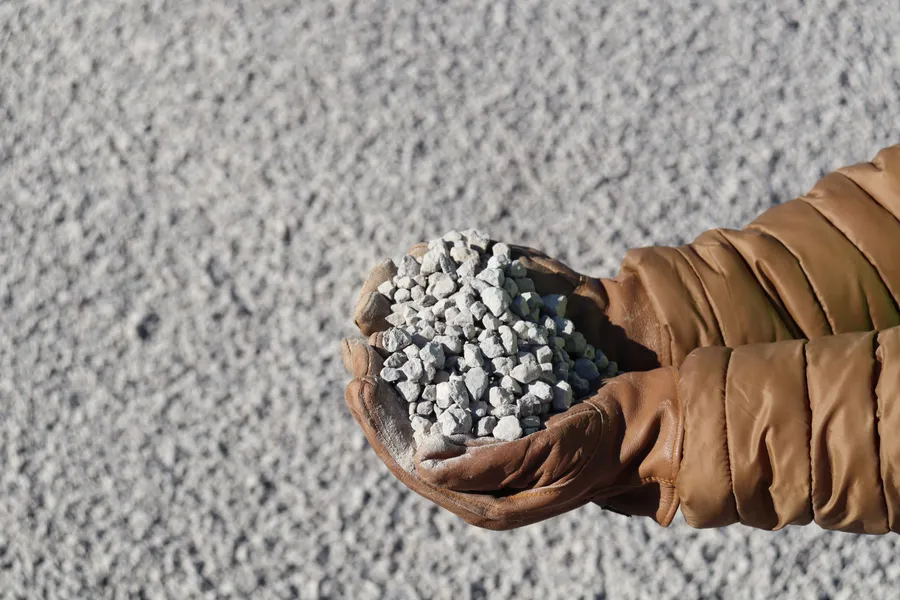
Screened rock is aggregate that has been run through sorting screens to separate the pile into specific particle sizes, with most of the dust and fine material removed. What comes off the screen is uniform and predictable, ready for drainage work, ready-mix production, or sub-structural backfill.
Why that matters on a jobsite: a drainage layer only works if water can actually move through it, and a ready-mix feedstock is only useful if the gradation matches the batch plant's mix design. Screened rock delivers on both counts because the fines are gone and the particle sizes match the label on the pile.
Four processing levels sit between pit run and finish-grade aggregate. Choosing the wrong one usually shows up later as a callback.
| Processing Level | What Happens to the Rock | Fines Content | Best For |
|---|---|---|---|
| Pit Run / Raw | Straight out of the ground, no sorting | High, variable | Non-structural fill, elevation |
| Crushed (e.g. Type II) | Crushed to size, fines retained on purpose | High, controlled | Compacted base course |
| Screened | Sorted by gradation, most fines removed | Low | Drainage layers, base prep |
| Washed & Screened | Water-rinsed and sorted, fines fully removed | Minimal | Ready-mix aggregate, clean drainage, foundation perimeter |
Each gradation has a job it is best at. A trench filled with the wrong size will not perform.
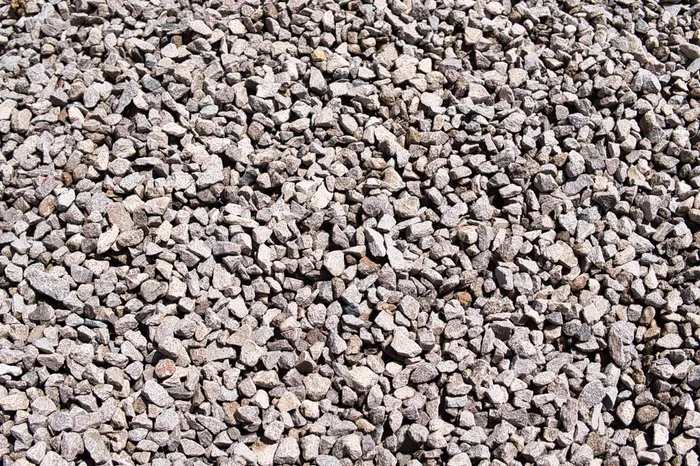
ASTM #67 gradation · the workhorse
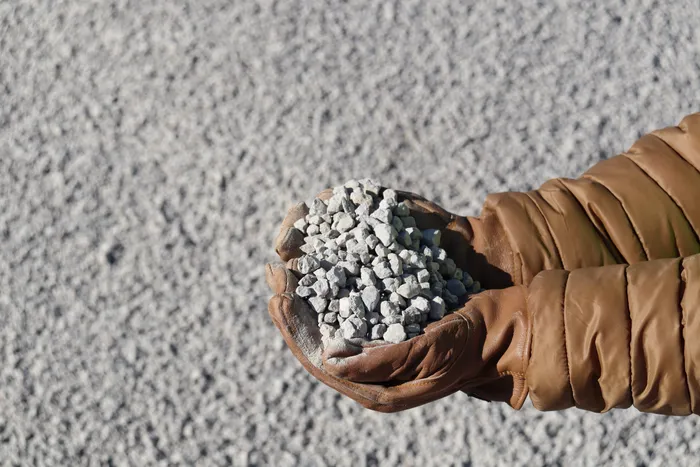
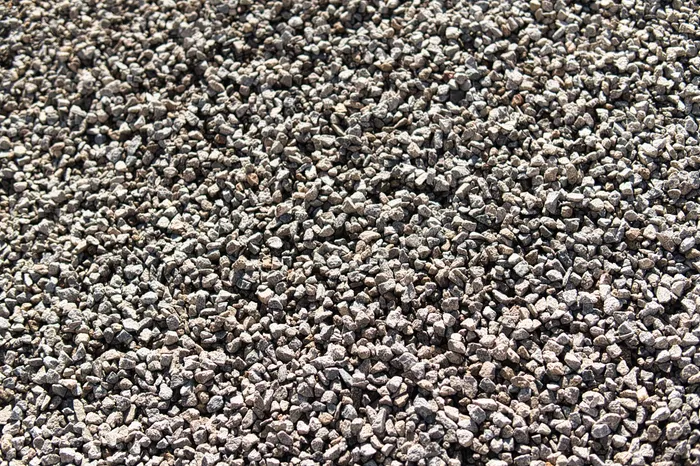
The most-spec'd screened rock in the valley. If the print does not call out a specific size, 3/4 inch #67 is usually what belongs in the trench.
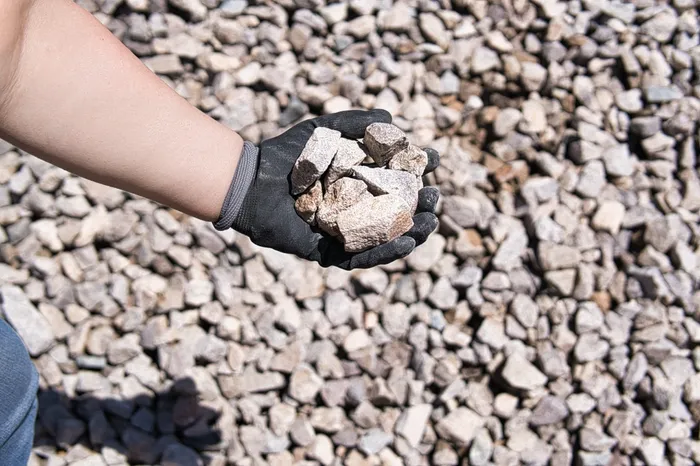
Larger gradation, open structure
When 3/4 inch chokes under sediment load or the engineer wants a more open drainage layer, 1.5 inch is the step up.
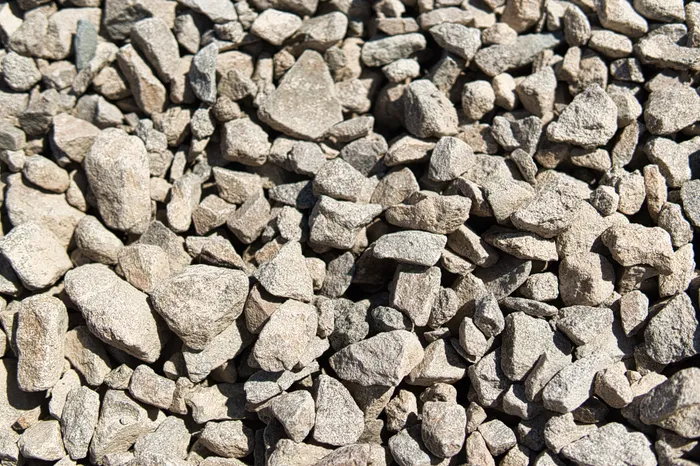
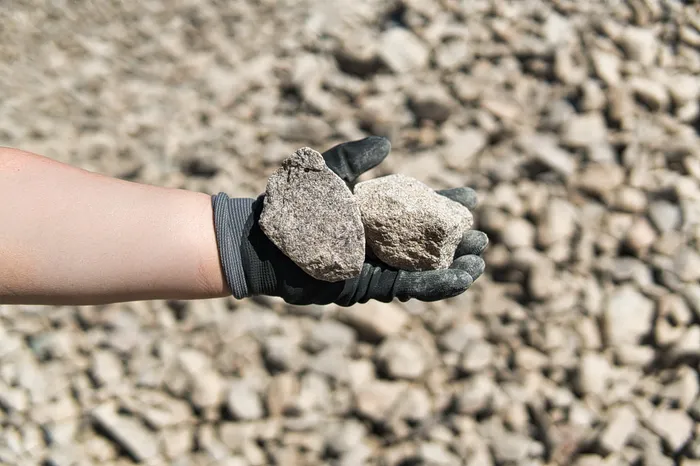
Coarse aggregate, mixed sizes
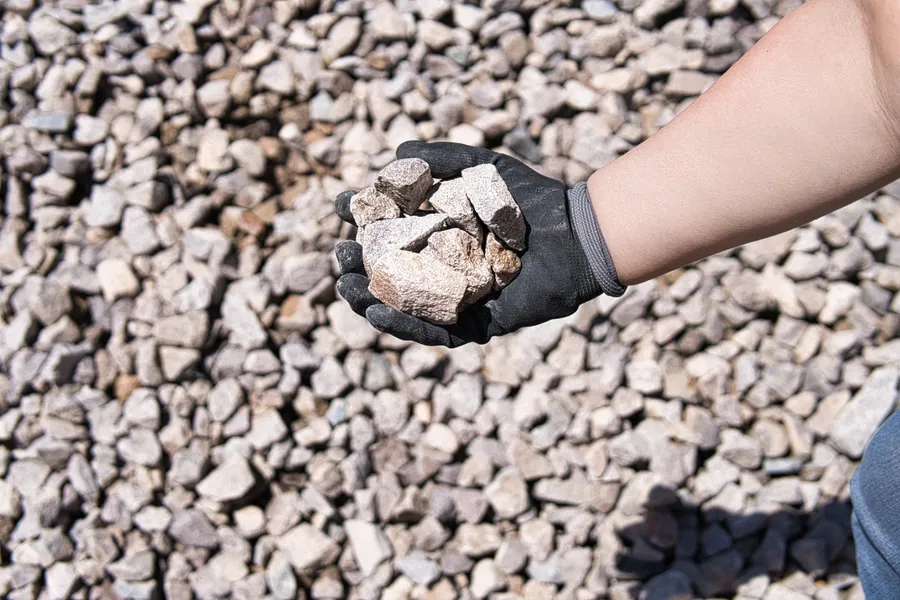
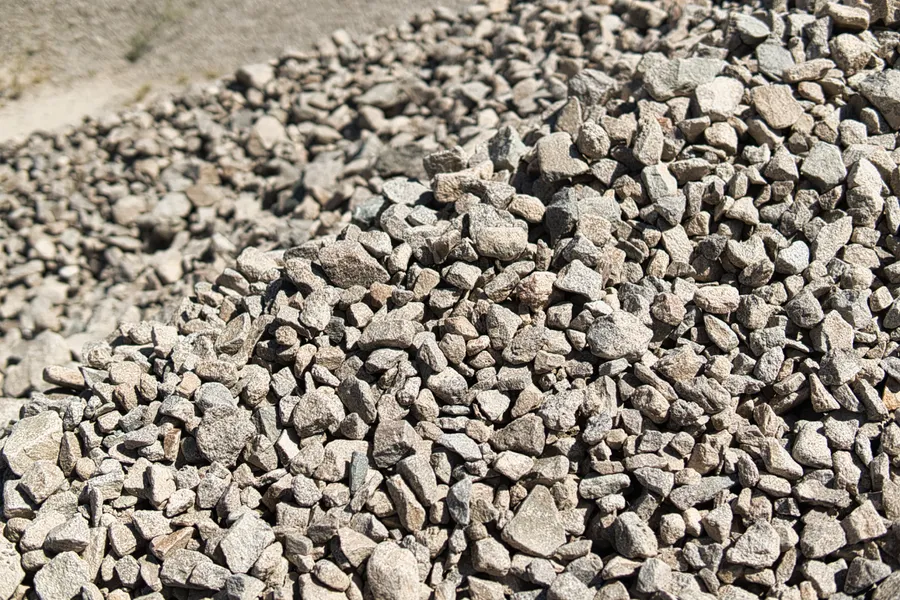
This is the 1-inch by 3-inch gravel most contractors call 1x3. It is larger and more angular than the other two gradations. It reads as coarse fill rock rather than finish material, and works anywhere you need bulk void space or a transition layer between finer aggregate and rip-rap.
Pro tip: If the spec sheet says #67 without calling out a diameter, use 3/4 inch #67. That is the ASTM gradation the number refers to, and most batch plants and drainage designs are built around it.
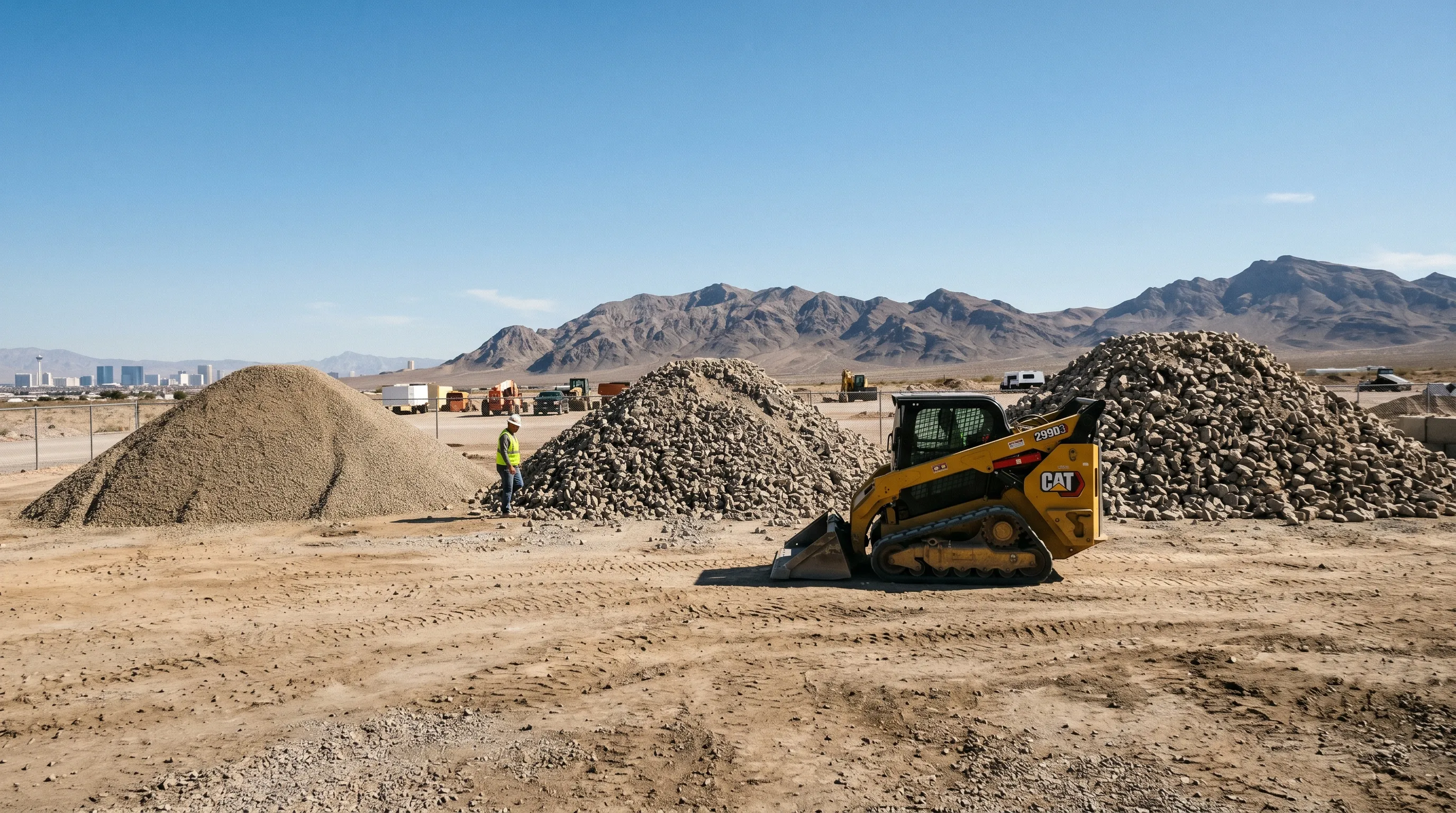
What the three gradations actually look like in the pile. Color and fines content vary slightly by quarry source.
Screened rock fills french drain cores, foundation perimeter drainage, stormwater infiltration basins, curtain drains, and landscape dry wells. 3/4 inch #67 is the default. Go up to 1.5 inch when sediment load is high or when the engineer wants more void space.
Washed screened rock is a common coarse aggregate feedstock for ready-mix plants and stamped concrete substructure. It is clean, well-graded, and low in fines. Call with the mix design requirements and we will match gradation to the batch plant spec.
Under slabs, below pavers, as a capillary break, or as a transition layer between subgrade and finish. Use 1x3 inch for bulk sub-fill and 3/4 inch #67 when you need more surface contact for the layer above.
Screened rock forms the hidden structural layers beneath decorative rock, paver patios, and hardscape. It is also used in leach fields, dry streambeds with structural intent, and perimeter swales where drainage performance matters more than what the rock looks like.
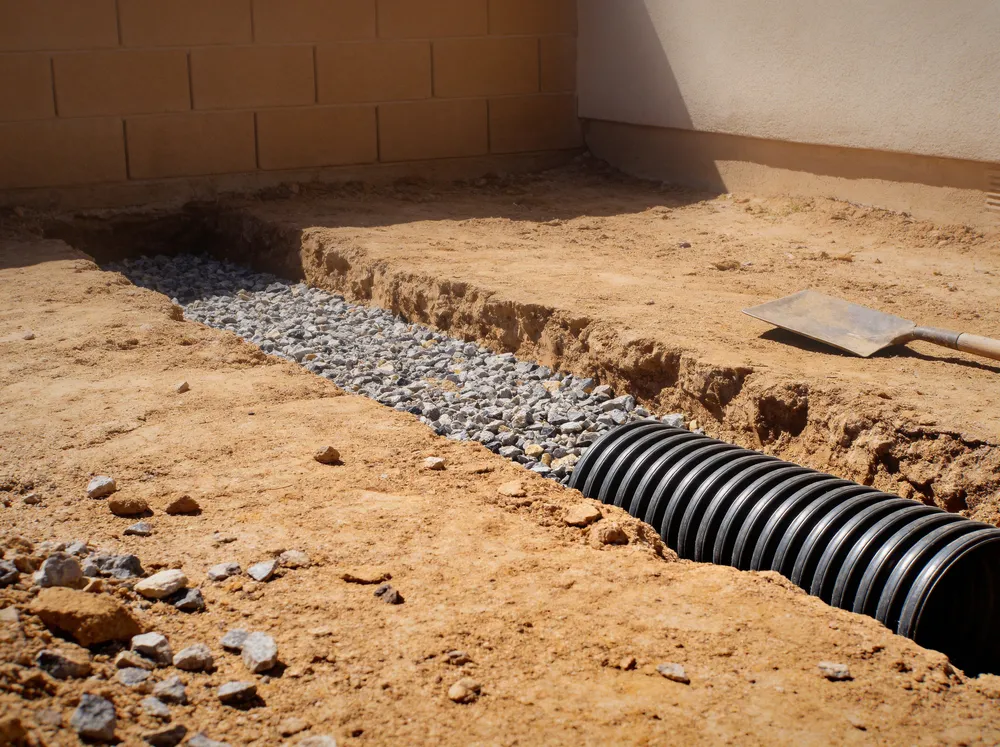
French drains, foundation perimeter drains, and curtain drains almost always spec 3/4 inch #67. The ASTM #67 gradation bridges over the slots in perforated drain pipe without clogging them, and the void space between stones is high enough to carry water faster than the soil around it.
Put in filter fabric underneath, a perforated pipe, then backfill with #67 to the planned elevation. Cap with a filter layer or finished grade, and the drain will work as long as the fabric holds. We deliver by the ton with schedule windows to match your excavation and backfill phases.
| If the Job Is… | Pick | Why |
|---|---|---|
| French drain or foundation perimeter drain | 3/4" #67 | Standard drainage gradation, moves water fast, bridges over drain pipe slots without clogging. |
| Leach field or high-volume infiltration | 1.5" Clean | Larger voids carry more water before sediment builds up. Less frequent maintenance. |
| Sub-base under a slab or paver setting | 1x3" or 3/4" #67 | 1x3" for bulk fill, 3/4" #67 as the top course before setting sand. |
| Concrete ready-mix coarse aggregate | 3/4" #67 washed | Standard ASTM #67 gradation most batch plants are set up for. |
| Compacted load-bearing base course | Type II Base (not screened rock) | Type II has the fines that lock up under a roller. Screened rock will not compact the same way. |
| Final rip-rap at a slope or channel | Rip-Rap (not screened rock) | Rip-rap is sized for erosion control, much larger than 1x3". |
Drain rock for french drains and foundation perimeter drainage, plus engineered rip-rap for slope armor and culverts.
ExploreWhen the lift above needs to compact and hold shape, Type II base is what goes down first.
ExploreSetting beds, concrete sand, and mortar sand for the finish phases of the same project.
ExploreStandard paver base and bedding sand for hardscape work sitting above screened rock sub-fill.
ExploreTell us the gradation, the tonnage, and the site. We'll call you back with a quote that covers the closest quarry of the 42 we source from, delivery windows, and pricing for the size you actually need.