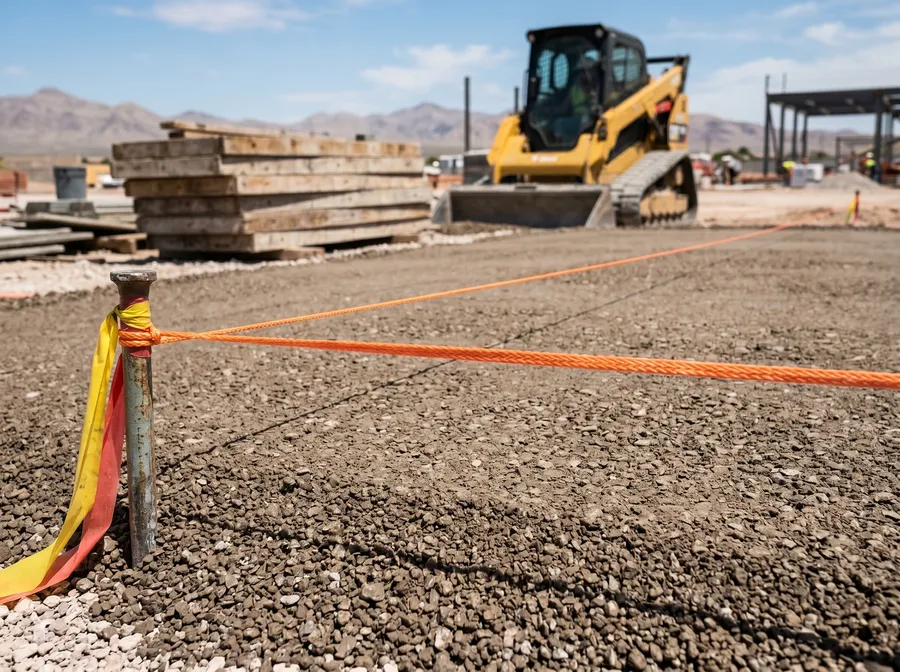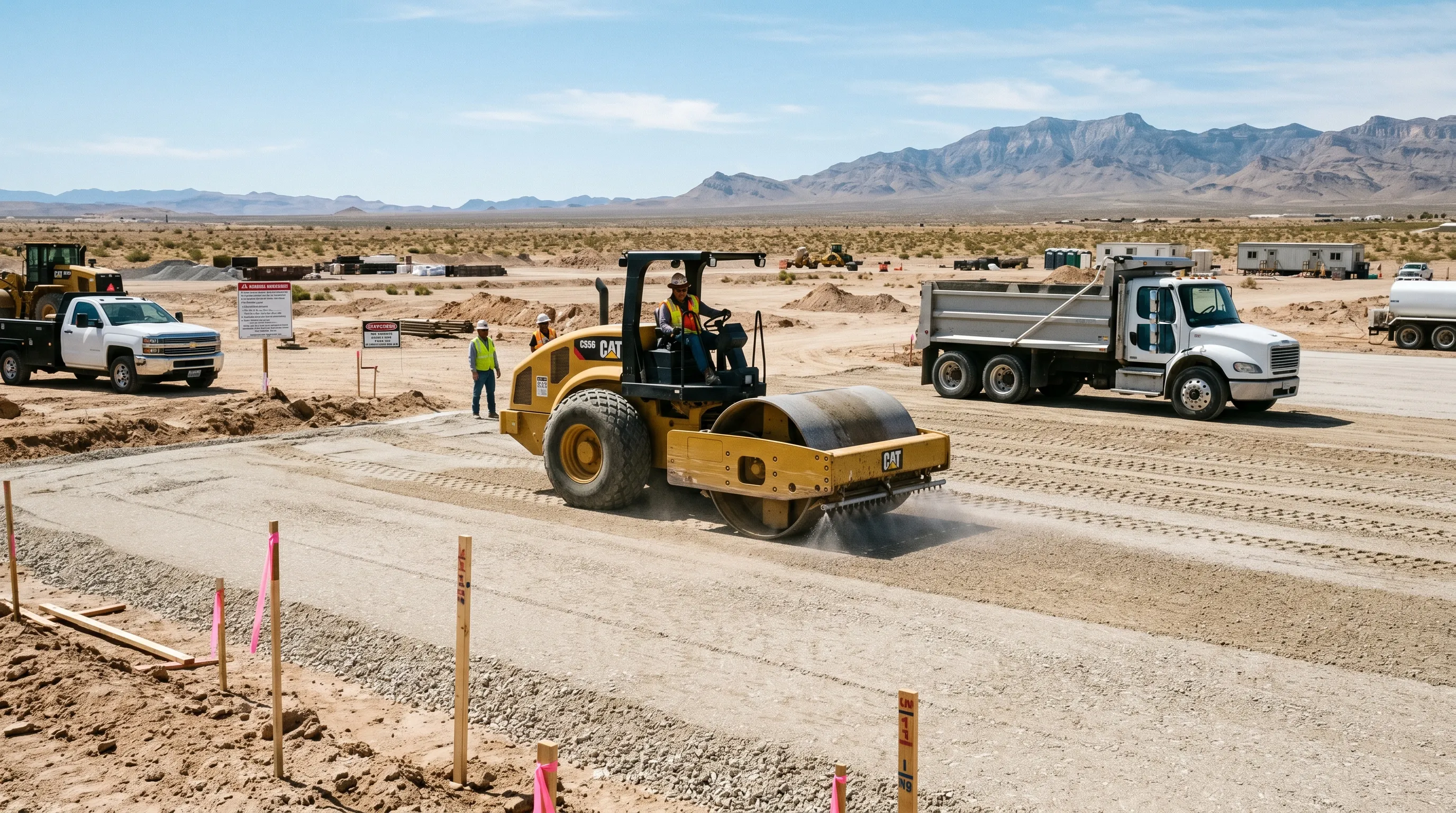
type ii aggregate base compacted by vibratory roller at las vegas jobsite with spring mountains background

Type II Base Built to Clark County & NDOT Spec

Sieve-tested, IQAC certified aggregate base for roadways, parking lots, slabs, and driveways. Delivered from the closest of our 42 sourced quarries in the Las Vegas valley, with test data on request.
The Base Course Engineers Spec

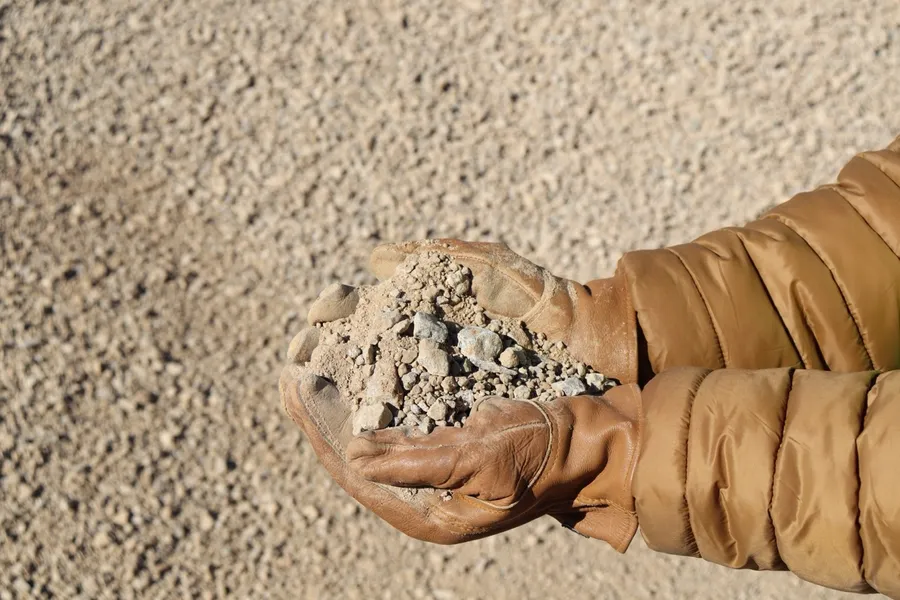
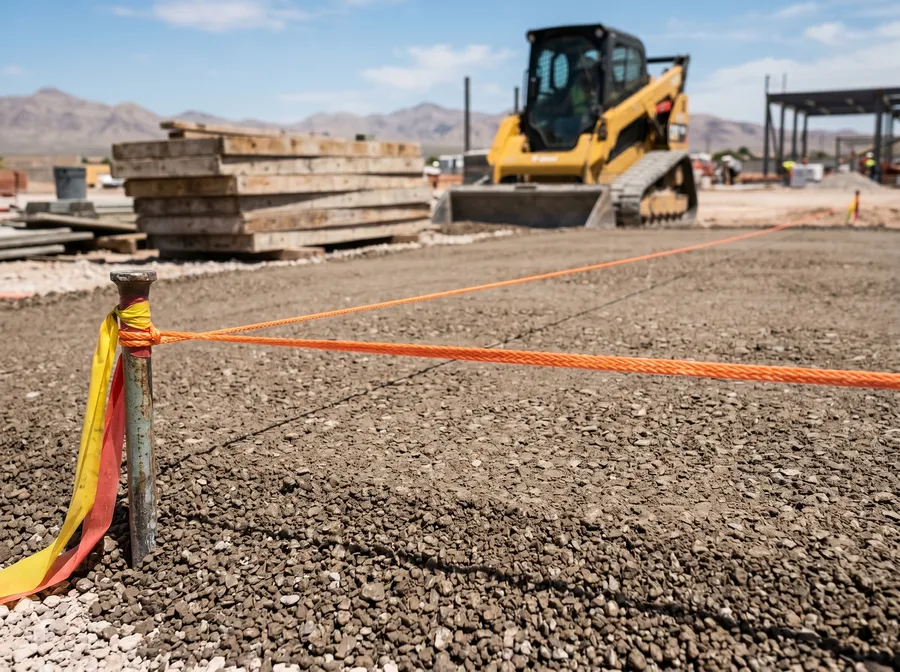
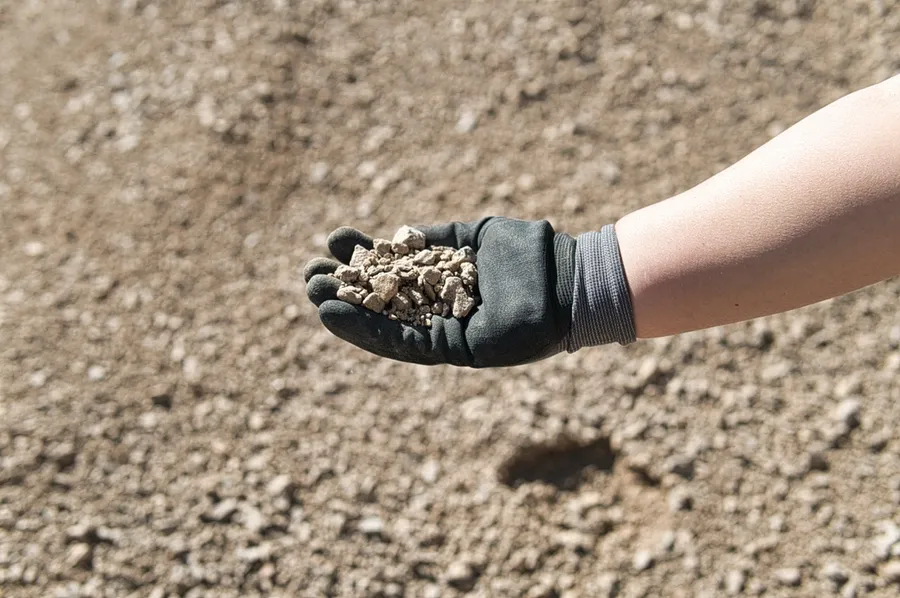
Type II base is a crushed, well-graded aggregate with natural fines. Those fines are what make it work. They lock into the coarse stone under a roller, and the result is a dense, load-bearing lift that holds shape under traffic and distributes wheel loads into the subgrade below.

When a Clark County print says Type II or a NDOT spec sheet calls for Section 703 aggregate base, the material has to pass sieve analysis, hit 95 percent Standard Proctor, and stand up to the inspector walking the grade. Ours does. Every load is screened to spec and documented, and the closest quarry to your site is usually within 30 minutes of the Valley.

Meets the Sieve, Hits the Proctor

A base course that does not meet gradation does not get signed off. Type II base from Impact is produced to Clark County Uniform Standard Specifications and NDOT Section 703, with in-house quality control on every load leaving the pit.

If your engineer needs documented test data for a submittal, say so on the quote. We will pair the right quarry with the right paperwork and the load will show up with the specs that match.

  • Clark County Uniform Standard Specifications for aggregate base
  • Nevada DOT Section 703 gradation and material requirements
  • ASTM D698 Standard Proctor compaction reference
  • IQAC Certified with in-house sieve analysis on every load
  • Project Docs available: gradation curves, Proctor results, certificates of analysis
compacted type ii aggregate base lift at las vegas commercial jobsite

Standard vs. Processed Premium

Same Type II spec family. The premium grade tightens fines control for engineered jobs that need repeatable density.

Type II Base

Standard Type II Base

The spec most prints call for

Best for
Roadway sub-base, parking lots, slab-on-grade prep, residential driveways
Spec
Meets Clark County and NDOT Type II gradation

Crushed rock with natural fines that lock up under a roller. This is what most prints spec.

Type II Base

Type II Processed Premium

Tighter gradation control

Best for
State highways, airfield work, high-traffic commercial loads, engineered pads
Spec
Tighter fines control for predictable Proctor results

Specified when the engineer needs repeatable density from lift to lift. Roughly 10 to 15 percent over standard.

Pro tip: Specify the Proctor and lift thickness on your PO, not just the tonnage. It keeps the loose-to-compacted math honest and the grade crew from coming up short on the last lift.

Technical Specs

Typical values for our Type II base. Actual gradation and density vary by quarry source and moisture at placement. Request a load-specific report for submittals.

Gradation 0 to 1½ inch minus, well graded with fines
Compacted Density ~145 lbs/cubic foot (about 2.0 tons/cy compacted)
Loose Delivered Density ~1.6 tons/cubic yard (loose)
Target Compaction 95% Standard Proctor (ASTM D698)
Typical Lift Thickness 4 to 6 inches per lift, compacted
Moisture at Compaction Near optimum, typically 5 to 8 percent
Spec Compliance Clark County Uniform Standard Specifications, NDOT Section 703
Quality Control In-house sieve analysis, IQAC certified, test data on request

Where Type II Base Gets Used

Roadways & Highways

Sub-base and base course under asphalt or concrete pavement. We supply Clark County public works jobs and NDOT highway contracts directly from the closest of our 42 sourced quarries. Test data travels with the load.

Parking Lots & Commercial Pads

A properly graded and compacted Type II sub-base distributes wheel loads and keeps the pavement above from cracking. That is the difference between a parking lot that holds up 20 years and one that fails in 5. We size loads to your phasing so the grade crew is never waiting.

Building Foundations & Slabs

Under slab-on-grade and spread footings, Type II base gives you a predictable bearing surface and a capillary break. Spread in 4 to 6 inch lifts, compact to 95 percent, and the concrete sits on something you can sign off on.

Driveways & Site Work

Residential and light-commercial driveways, utility trench backfill, equipment pads, and general site base. The same spec, scaled to the load size you actually need.

When to Spec Type II and When Not To

Type II base is specified for a reason. When the spec sheet calls for something else, use something else.

If the Job Is…PickWhy
Print calls for Type II or Class II base Type II Base Meets the sieve analysis and Proctor requirements.
Engineer spec requires CCSD or NDOT compliance Type II Base Documented gradation and test data come with the load.
Non-structural fill or general grade-to-elevation Fill & Pit Run Cheaper, coarser, no fines control required.
Drainage layer under slab or in trench Drain Rock or 3/4" #67 Open-graded rock moves water; Type II holds it.
Paver setting bed or concrete flatwork sand bed Washed Sand Type II has fines; sand gives you a working surface.

What Our Type II Base Looks Like on the Grade

Real stockpiles, real closeups. The gradation and fines content you see here is what lands on your jobsite.

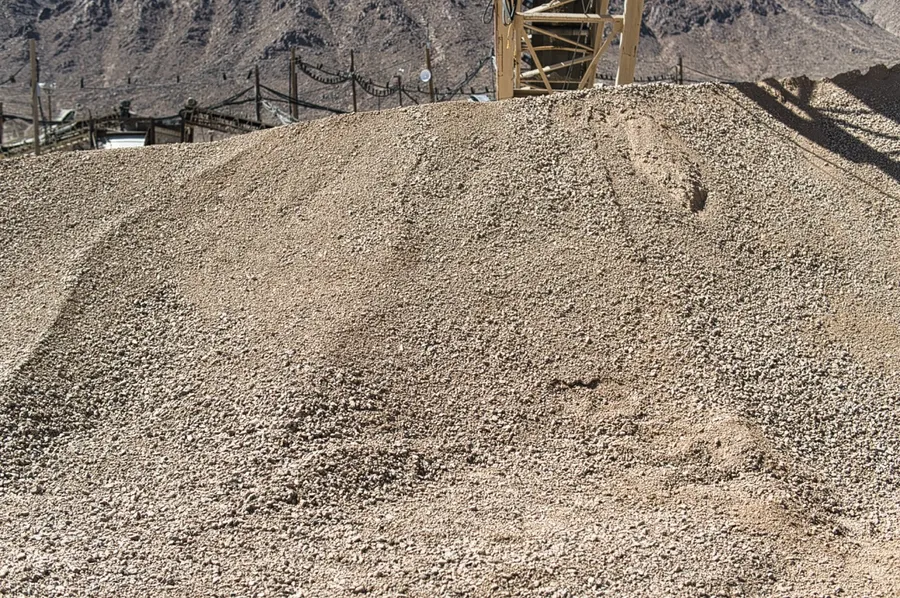
type ii base stockpile at las vegas quarry
Stockpile · Type II base at a sourced quarry
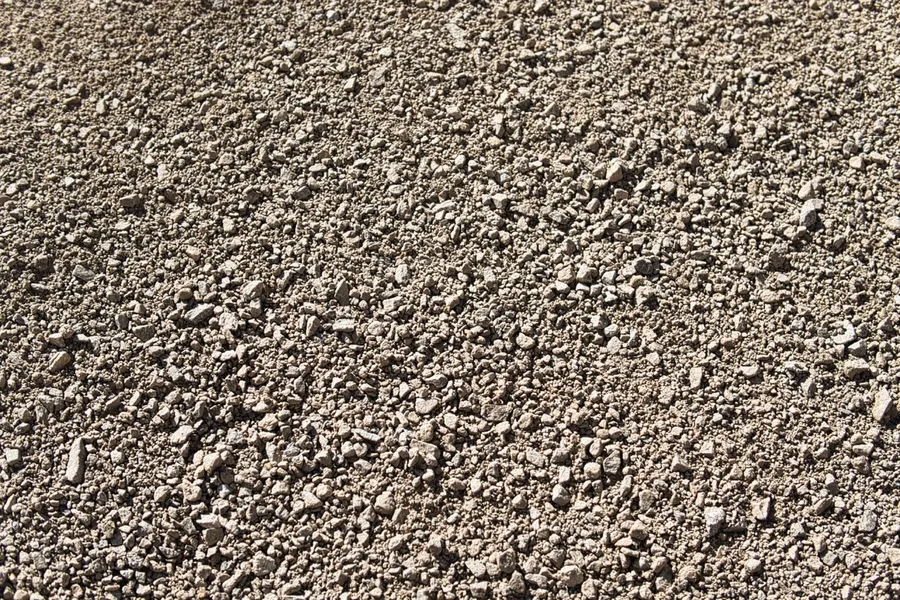
type ii base aggregate closeup gradation detail
Closeup · well-graded crushed rock with fines
type ii aggregate base pile at las vegas yard
Yard stockpile · ready to load
type ii base aggregate closeup dust content
Closeup · fines that lock up under a roller
type ii base aggregate texture las vegas
Closeup · 0 to 1½ inch minus gradation
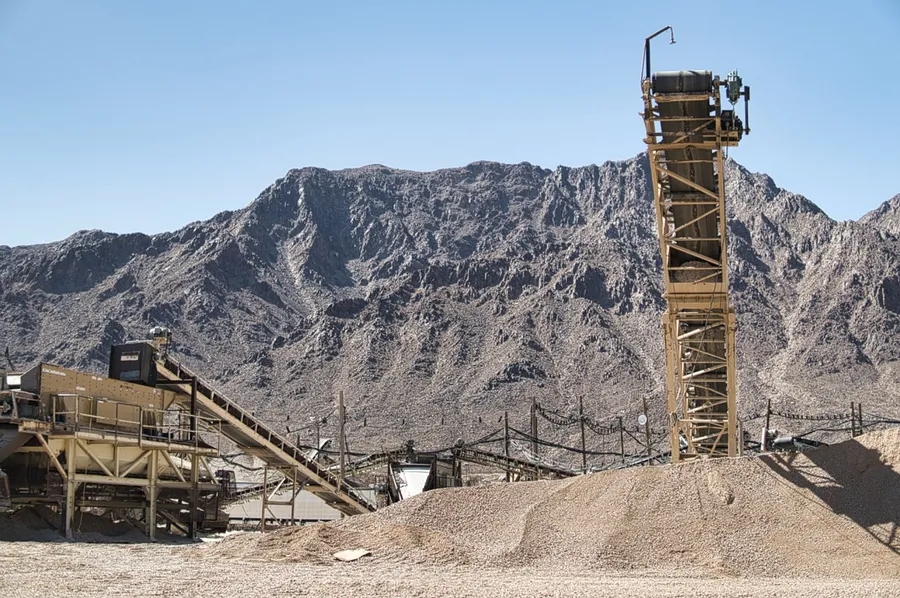
crushing and screening tower at las vegas quarry
Crushing and screening at the quarry
compacted type ii base lift on las vegas jobsite
Jobsite · compacted lift at a commercial pad

Type II Base Plus the Rest of Your Aggregate Pull List

Frequently Asked Questions

Yes. Our Type II base is produced and screened to Clark County Uniform Standard Specifications and NDOT Section 703 gradation for aggregate base. We run in-house sieve analysis and maintain IQAC certification. Test data is available on request, and project-specific certificates of analysis can travel with the load.
Rough rule of thumb: at 4 inches of loose placed depth, one ton of Type II covers about 51 square feet. At 6 inches, about 34 square feet. Compaction to 95 percent Proctor shrinks the lift 15 to 20 percent, so order for the loose depth you need to place. For anything above a 10-ton job, use our Material Calculator or call (702) 597-1010 and we will run the numbers against your depth and compaction assumption.
Type II is a virgin aggregate base, gradation controlled to spec, with documented test data. CMB is recycled concrete and asphalt processed to meet a looser gradation. CMB is cheaper and works on non-structural jobs where the engineer allows it. If the print says Type II or Class II, CMB will not pass inspection. Read the spec sheet first, then pick the material.
Type II base delivered loose runs about 1.6 tons per cubic yard. Properly compacted to 95 percent Proctor, it densifies to roughly 2.0 tons per cubic yard. That means a cubic yard of loose material shrinks 15 to 20 percent once it is under the roller. Always quote material in compacted volume and order loose tonnage accordingly, or you will be short.
Vibratory steel-drum roller for parking lots, driveways, and large pads. Walk-behind plate compactor for trench backfill and small residential work. Compact in 4 to 6 inch lifts. Moisture matters. If the material is too dry, it will not bond; too wet and it will pump. Add water in passes and let it sit a few minutes before rolling.
No. Type II is a base course, not a finish material. Left uncovered, it ravels under tire traffic and washes in a storm. Cover it with asphalt, concrete, pavers, or an approved finish within the project schedule. If there is a long gap before the pavement goes down, keep the surface damp to prevent dust and windblown loss.
Standard delivery is 2 to 5 business days. For schedule hits, we load from whichever of our 42 sourced quarries is closest to your site and dispatch accordingly. Next-day delivery is sometimes possible depending on volume and location. Call us with the tonnage, the site address, and the window you need, and we will tell you what is real.
Yes. In-house sieve analysis and Proctor data are available for submittals. For projects with specific engineer requirements, we can coordinate project-specific testing and documentation. Get us the submittal requirements early and we will make sure the paperwork matches the load.

Need Type II Base on a Tight Schedule?

Send us the tonnage, the site address, and the week you pour. We will call you with a quote, delivery windows, the nearest quarry, and whatever the submittal paperwork needs to say.